Classic Gremolata Recipe | Fresh Lemon Herb Condiment for Fish
Meet your new secret weapon for bright, clean flavor: classic gremolata. This simple Italian herb condiment uses just three ingredients—parsley, lemon, and garlic—to wake up any piece of fish with a fresh, zesty finish. You can make it in minutes, no cooking required, and it transforms even the most basic pan-seared fillet into something that tastes restaurant-ready.
I reach for gremolata whenever fish needs a lift. A spoonful on salmon, cod, halibut, or trout adds citrusy sparkle and herbal crunch without extra fat or heavy sauces. It’s the kind of condiment you’ll start keeping on hand because it makes everything taste brighter. Let’s make a batch.
Why This Fresh Lemon Herb Gremolata Works So Well
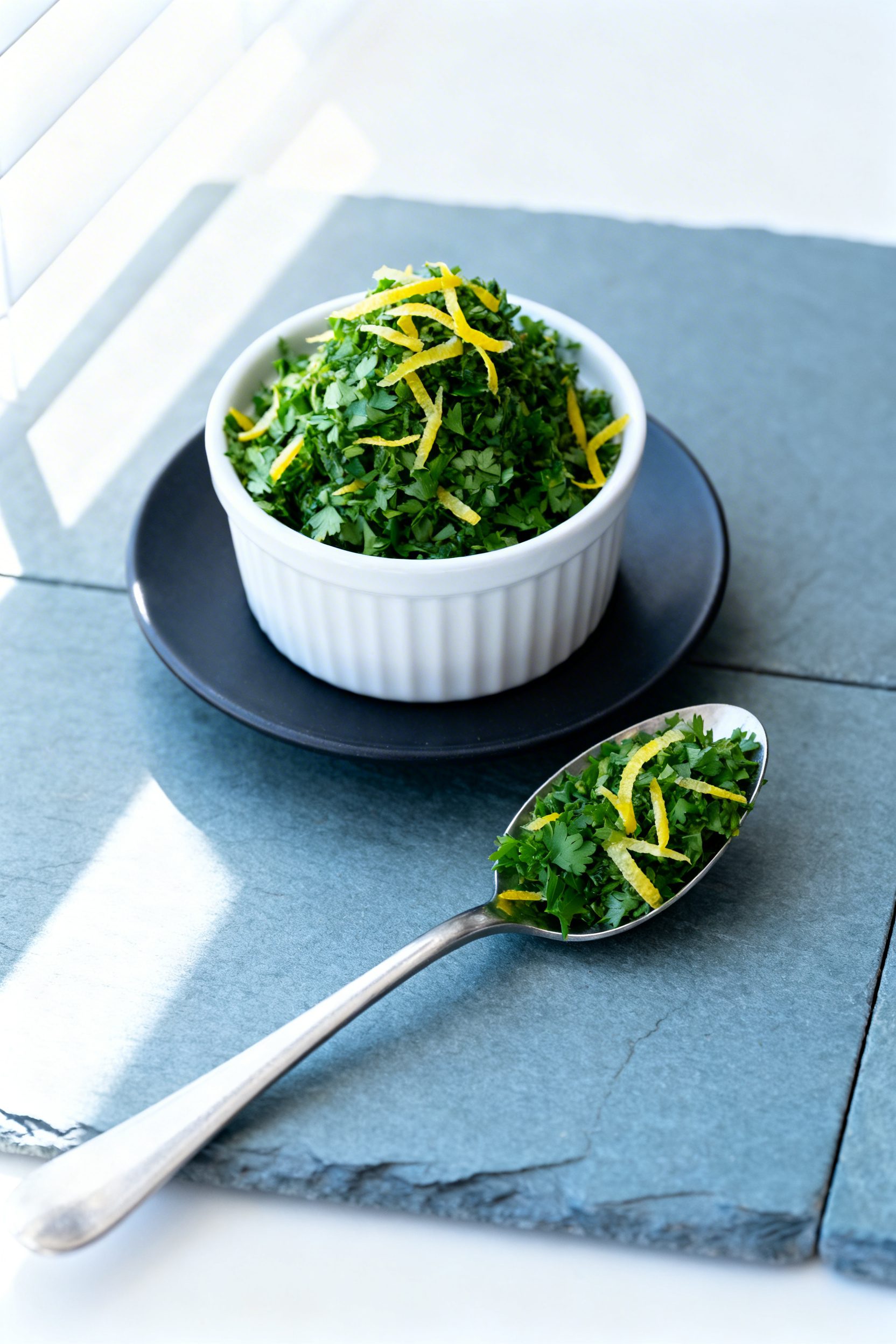
- Clean, vivid flavor: Lemon zest brings perfumed citrus, parsley adds grassy freshness, and garlic gives a punchy bite that cuts through rich fish.
- No cooking needed: You chop, mix, and spoon it on. Heat can dull herbs—gremolata stays crisp and vibrant.
- Balances richness: It lightens buttery or oily fish and perks up lean, mild fillets.
- Versatile and fast: Five minutes, one cutting board, and you’re done.
- Consistent results: Precise ratios keep it balanced so the garlic doesn’t steamroll the herbs or lemon.
Ingredients You’ll Need
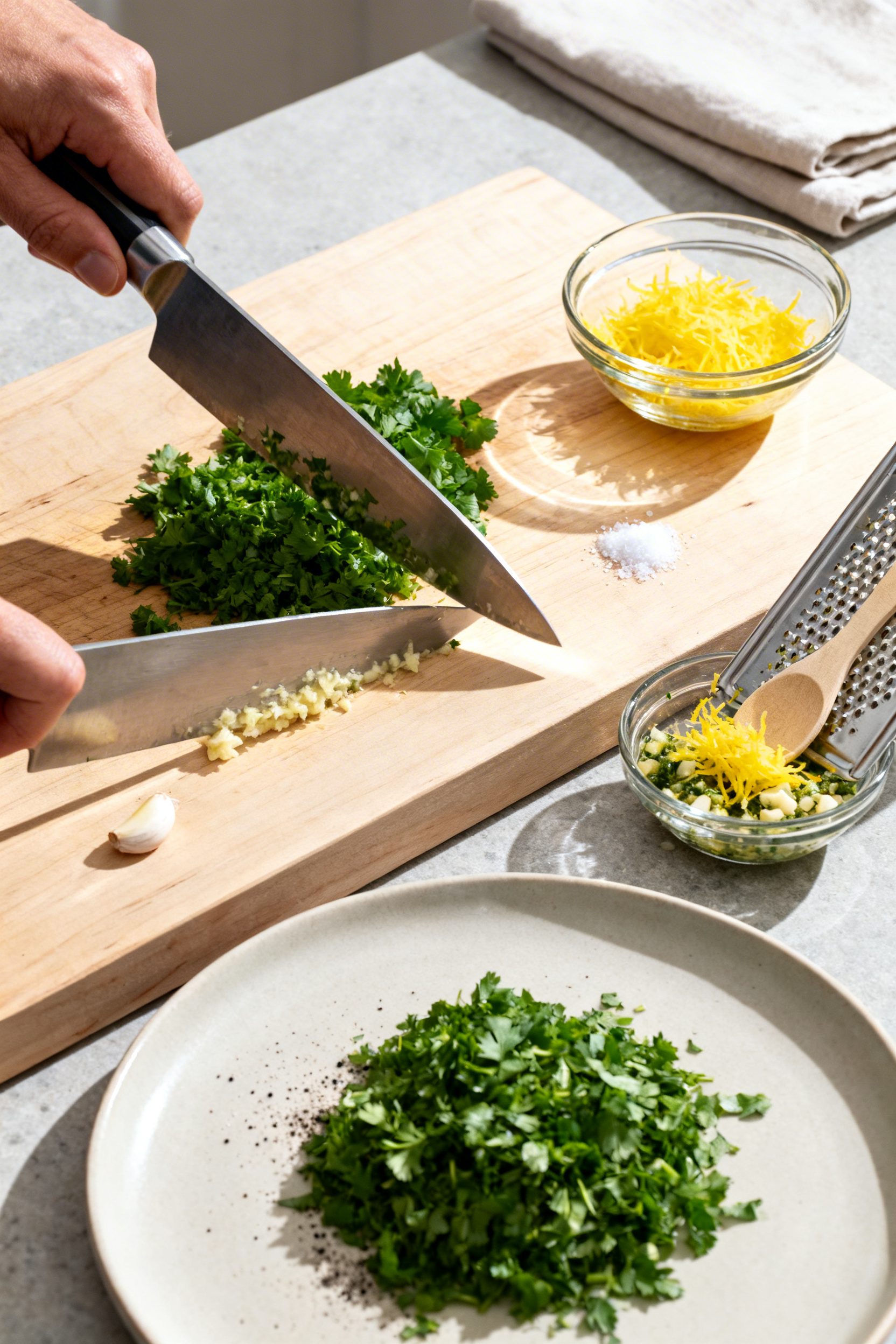
- Fresh flat-leaf parsley: 1 packed cup leaves (about 1 large bunch), stems removed
- Lemon zest: Zest of 1 large lemon (use an organic lemon if possible)
- Garlic: 1 small clove, very finely minced or grated
- Extra-virgin olive oil (optional): 1–2 teaspoons to soften texture and help it cling to fish
- Kosher salt: A small pinch to round the flavors
- Freshly ground black pepper (optional): A few grinds for gentle warmth
Pro tip: Keep it classic with the core trio. A tiny splash of olive oil helps gremolata sit nicely on flaky fish, but skip heavy amounts—you want brightness, not a sauce.
How to Make Classic Gremolata for Fish
Prep the Ingredients
- Wash and dry parsley: Rinse well, then spin or pat completely dry. Moisture makes gremolata soggy.
- Zest the lemon: Use a microplane to remove only the yellow skin. Avoid the bitter white pith.
- Prep the garlic: Smash the clove, peel, then mince very finely. For a smoother texture, mash with a pinch of salt until paste-like.
Chop and Combine
- Chop parsley finely: Pile the leaves and chop with a sharp knife into tiny bits. Aim for small, fluffy pieces, not bruised clumps.
- Mix: Add chopped parsley, lemon zest, and garlic to a bowl. Sprinkle a pinch of kosher salt and a few grinds of pepper.
- Adjust texture: Drizzle 1–2 teaspoons olive oil if you want a lightly moistened gremolata that clings to fish.
- Taste and tweak: Add a touch more zest for brightness, or another pinch of salt if needed. Stop before garlic dominates.
Serve It Right
- Spoon over fish just before serving: Keep the herbs fresh and punchy; don’t cook gremolata.
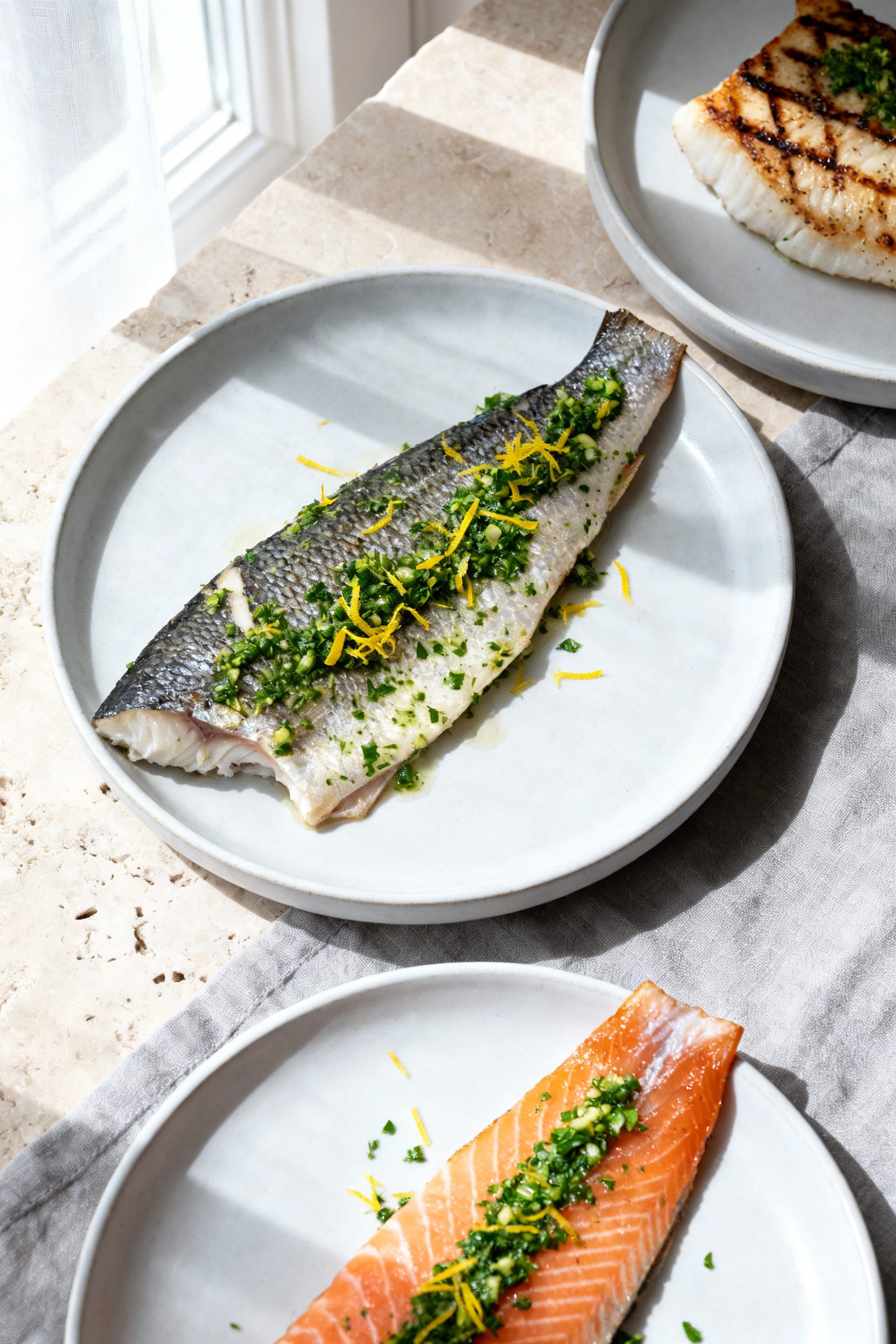
- Use as a finishing touch: Great on seared salmon, roasted cod, grilled halibut, or poached trout.
- Pair with lemon wedges: A squeeze at the table lifts everything.
How to Store Your Gremolata
- Short-term: Refrigerate in a small airtight container for up to 2 days. Press parchment or plastic directly on top to reduce oxidation.
- Keep it perky: Stir just before serving. If it looks dry, add a tiny splash of olive oil and a fresh pinch of lemon zest.
- Avoid freezing: Freezing dulls the herbs and lemon zest. Make it fresh for best flavor and color.
- Garlic caution: For longer storage (24+ hours), use freshly grated garlic and keep refrigerated. Flavor intensifies as it sits, so taste and adjust.
Benefits of Using Gremolata on Fish
- Enhances flavor without heaviness: Bright herbs and citrus make fish taste cleaner, not covered up.
- Balances oily cuts: Tames richer fish like salmon or mackerel with zippy acidity and fresh herbs.
- Adds texture: Fine herbal bits create a fresh contrast to tender, flaky fillets.
- Naturally light: Minimal oil and no dairy keeps it fresh and weeknight-friendly.
- Fast and economical: Pantry basics, five minutes, big payoff.
Common Mistakes to Avoid
- Over-mincing garlic: Too much or too raw-tasting garlic can dominate. Start small and taste.
- Wet herbs: Damp parsley bruises and clumps. Dry thoroughly for a fluffy chop.
- Zesting the pith: Only zest the yellow skin. The white layer tastes bitter.
- Chopping with a dull knife: Dull blades crush herbs and release bitterness. Use a sharp knife and light strokes.
- Adding too much oil: Gremolata is a condiment, not a sauce. Keep it bright and sprightly.
- Heating it: Don’t cook gremolata. Heat flattens flavor and color.
Variations You Can Try
- Orange zest gremolata: Swap half the lemon zest for orange. Lovely on seared scallops or mild white fish.
- Lemon-caper gremolata: Stir in 1 tablespoon finely chopped capers for briny pop—great with roasted cod.
- Dill-parsley mix: Use half parsley, half dill. Perfect with salmon and trout.
- Almond crunch: Add 2 tablespoons finely chopped toasted almonds for texture on grilled halibut.
- Chili zest kick: Mix in a pinch of red pepper flakes or minced fresh chili for gentle heat.
- Garlic-lemon paste: Mash garlic with lemon zest and a drop of oil first, then fold into parsley for extra cohesion.
- Meyer lemon swap: Slightly sweeter, aromatic zest that shines on delicate fish like sole.
FAQ
Can I use curly parsley?
Yes, but flat-leaf (Italian) parsley tastes cleaner and chops more evenly. If you use curly, chop very finely to avoid coarse texture.
Can I add lemon juice?
Use zest for concentrated citrus without watering the herbs. If you want a touch of juice, add 1 teaspoon right before serving and taste for balance.
What fish works best with gremolata?
It flatters almost everything: salmon, halibut, cod, trout, sea bass, and swordfish. It shines on roasted or pan-seared fillets and grilled steaks.
How far ahead can I make it?
Make it up to 24 hours ahead and refrigerate. Stir and refresh with a little extra zest before serving.
Is there a garlic-free option?
Skip garlic and add a tiny pinch of finely grated shallot or a few drops of good-quality white wine vinegar. Different, but still bright.
Can I chop everything in a food processor?
You can, but pulse very briefly. Overprocessing bruises parsley and makes a wet paste. Hand-chopping gives the best texture.
Conclusion
Gremolata proves that a handful of fresh ingredients can do the heavy lifting. With parsley, lemon zest, and garlic, you get a lively, aromatic finish that makes fish taste fresher and more nuanced in minutes. Keep the chop fine, the zest fragrant, and the garlic measured, and you’ll have a go-to condiment ready for any fillet you bring home. Make it once, and you’ll start putting it on everything from salmon to roasted vegetables—and you won’t look back.
Classic Gremolata for Fish
A bright, no-cook Italian parsley, lemon zest, and garlic condiment that adds fresh, zesty flavor to fish in minutes.
Ingredients
- 1 packed cup fresh flat-leaf parsley leaves, stems removed
- Zest of 1 large lemon
- 1 small garlic clove, very finely minced or grated
- 1–2 teaspoons extra-virgin olive oil (optional)
- Pinch of kosher salt
- Freshly ground black pepper, a few grinds (optional)
Instructions
- Rinse parsley and dry thoroughly using a salad spinner or paper towels.
- Zest the lemon with a microplane, avoiding the white pith.
- Smash, peel, and very finely mince the garlic; optionally mash with a pinch of salt to a paste.
- Finely chop the parsley into small, fluffy pieces with a sharp knife.
- Combine chopped parsley, lemon zest, and garlic in a bowl; season with a pinch of kosher salt and a few grinds of black pepper.
- If desired, drizzle in 1–2 teaspoons olive oil to lightly moisten and help it cling to fish; mix gently.
- Taste and adjust with a bit more zest or a pinch of salt, keeping the garlic in balance.
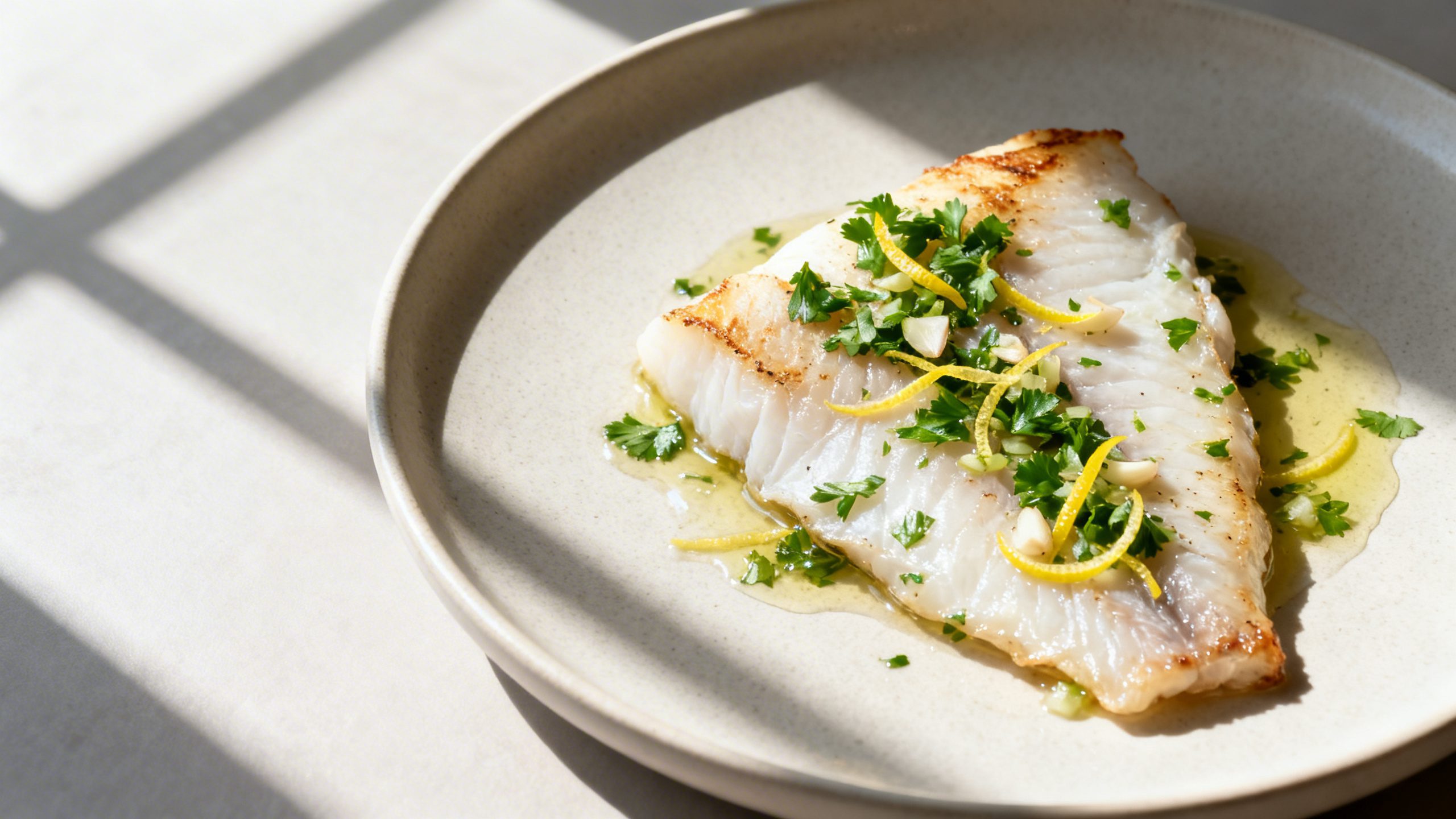
- Spoon over cooked fish just before serving; do not heat.